The US State Department has re-issued its
travel warning for Mexico and included a state-by-state break down of the most
dangerous places, focusing on the popular tourist destinations and the routes
to them.
The warning notes that there has been an
increase in the level and frequency of drug-related crime in Mexico, and while
there’s no evidence US citizens (or any tourists) are being targeted, there
have been incidents where by-standers have been injured and there exists the
potential for trouble.
In particular the warning notes that there
has been a sharp increase in the number of car-jackings, and highway robbery, with
dark-coloured SUVs a particular target. In almost all cases, says the State
Department, victims who complied with instructions were not harmed. Sadly there
is one case of a US citizen who resisted the bandits and was murdered.
The State Department also warns that
there’s been an increase in theft of all types of vehicles for use in criminal
enterprise.
Is It Safe To Go To Mexico?
generally, yes, because as the State Department says in the re-issued warning, millions of US
citizens, including 150,000 who cross the border each day, travel to Mexico for
business or leisure and return home safely, and “Resort areas and
tourist destinations in Mexico generally do not see the levels of drug-related
violence and crime reported in the border region and in areas along major
trafficking routes.”
The warning advises it is travel outside
the resorts and cities which poses the biggest threat to travellers and it
names specific regions to be avoided and routes that should be taken to
minimise the time spent travelling through potentially dangerous regions.
The warning carries specific instructions
for US government employees, prohibiting them from visiting casinos, sports books
and adult entertainment venues in some states. There are also travel
restrictions and curfews for some cities. While these only apply to employees,
they are a good guide for travellers about where and when it is safe to travel
in Mexico.
State Department Warning
The full text of the State
Department warning is posted below (it's also available here with an accompanying map) and you should read it in detail, but here we've condensed the information.
The Good
These are the cities and destinations within Mexico that the State Department says need no more than the usual degree of caution. Note many of them are immensely popular tourist destinations such as Cancun, underlining once again that the violence in Mexico is primarily a war between drug gangs.
- Cabo San Lucas,
- San Cristobel de las Casaas,
- Cancun,
- Cozumel,
- Playa del Carmen,
- Riviera Maya,
- Merida,
- Chichen Itza,
- San Miguel Allende,
- Leon,
- Mexico City,
- Oaxaca,
- Huatulco,
- Puerto Escondido,
- Puebla,
- Queretaro,
- Toluca,
- Tulum,
- Villahermosa,
- Riveria Nayarit
The Bad(ish)
These are cities and destinations which lie within regions of extreme violence and risk, although with certain conditions they are not unacceptably dangerous places in themselves.
Acapulco (defer non-essential travel to areas
further than 2 blocks inland of the Costera Miguel Aleman Boulevard, which
parallels the popular beach areas. In general, the popular tourist area
of Diamante, just south of the city, has been less affected by violence.)
Guadalajara (exercise
caution when traveling at night outside of city)
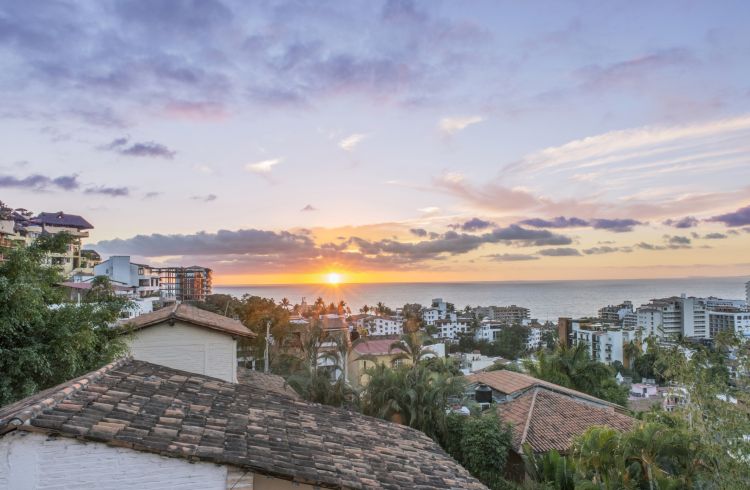
Puerto Vallarta (exercise
caution when traveling at night outside of city)
Zihuatanejo (exercise
caution and stay within tourist areas).
Ixtapa (exercise
caution and stay within tourist areas).
Zacatecas (the city, but not outside it)
Mazatlan (but not outside it, and be extremely careful at night.)
Monterey (Metro
area only. USG personnel may not frequent casinos, sport books, or other
gambling establishments and may not travel outside the San Pedro municipal
boundaries between midnight and 6 a.m.)
San Luis Potosi
(but not outside the city.)
Puerto Peñasco (but get there by using the Lukeville, Arizona/Sonoyta, Sonora border crossing, in order to limit
driving through Mexico, and to limit travel to main roads during daylight hours.)
Alamos (but get there traveling
only during daylight hours and using only the Highway 15 toll road, aka cuota,
and Sonora State Road 162),
The Ugly
No surprises here. You'll recognise some of these place names from the evening news.
- Tijuana
- Ciudad Juarez
- Chihuahua
- Torreon
- Matamoros
- Nuevo Laredo
- Fresnillo
- Fresnillo-Sombrete
- Reynosa
- Tampico
- Tepic
- Xalisco
- Cuernavaca (a
popular destination for U.S. students)
Bad Roads
In addition the warning names specific stretches of road which should be avoided or on which you should exercise caution. The State Department says:
All USG employees
are prohibited from personal travel on highways outside of Matamoros, Reynosa
and Nuevo Laredo due to the risks posed by armed robbery and carjacking; may
not frequent casinos and adult entertainment establishments within these
cities; and in Matamoros are subject to a midnight to 6 a.m. curfew.
San Luis Potosi:
The entire stretch of highway 57D in San Luis Potosi and portions of the state
east of highway 57D towards Tamaulipas are particularly dangerous.
You should defer non-essential travel between the city of Nogales and
the cities of Sonoyta and Caborca (which area also includes the smaller cities
of Saric, Tubutama, and Altar),
Defer non-essential
travel to the eastern edge of the State of Sonora which borders the State of
Chihuahua (all points along that border east of the northern city of Agua
Prieta and the southern town of Alamos).
Defer non-essential
travel within the state south of the city of Ciudad Obregon with the exception
of travel to and exercise caution when visiting the coastal town of Puerto
Peñasco.
You should defer
non-essential travel to the northwestern and southern portions of Guerrero (the
area west and south of the town of Arcelia on the border with Estado de Mexico
in the north and the town of Tlapa near the border with Oaxaca),
You should also
exercise caution and travel only during daylight hours on highway 95D
(cuota/toll road) between Mexico City and Acapulco and highway 200 between
Acapulco and Zihuatanejo/Ixtapa.
Flying into the coastal cities in
southern Guerrero remains the preferred method of travel.
Related Articles
Mexico - water and food
Mexico - petty crime and begging
About WorldNomads
WorldNomads.com keeps you travelling safely. Whether you’re off for a long weekend, looking for the ultimate adventure or living the nomadic dream, you’ll stay safe with Travel Insurance you can buy online, anytime, and the latest travel safety advice. Learn how to flirt in over 25 languages with our free language guides and have an experience of a lifetime on a travel scholarship. We'll also help you share your journey with a free travel blog, get answers from other nomads to all of your travel questions (try the new 'Ask A Nomad' iPad app and donate to a local community development project through our Footprints program. WorldNomads.com - an essential part of every adventurous traveller's journey.
State Department Warning
The Department of State has issued this Travel Warning to inform U.S.
citizens about the security situation in Mexico. General information on
the overall security situation is provided immediately below. For
information on security conditions in specific regions of Mexico, which can
vary, travelers should reference the state-by-state assessments further below.
This Travel Warning supersedes the Travel Warning for Mexico dated
April 22, 2011 to consolidate and update information about the security
situation and to advise the public of additional restrictions on the travel of
U.S. government (USG) personnel.
General Conditions:
Millions of U.S. citizens safely visit Mexico each year for study,
tourism, and business, including more than 150,000 who cross the border every
day. The Mexican government makes a considerable effort to protect U.S.
citizens and other visitors to major tourist destinations, and there is no
evidence that Transnational Criminal Organizations (TCOs) have targeted U.S.
visitors and residents based on their nationality. Resort areas and
tourist destinations in Mexico generally do not see the levels of drug-related
violence and crime reported in the border region and in areas along major
trafficking routes.
Nevertheless, U.S. travelers should be aware that the Mexican
government has been engaged in an extensive effort to counter TCOs which engage
in narcotics trafficking and other unlawful activities throughout Mexico.
The TCOs themselves are engaged in a violent struggle to control drug
trafficking routes and other criminal activity. As a result, crime and
violence are serious problems throughout the country and can occur anywhere.
U.S. citizens have fallen victim to TCO activity, including homicide, gun
battles, kidnapping, carjacking and highway robbery.
According to the most recent homicide figures published by the Mexican
government, 47,515 people were killed in narcotics-related violence in Mexico
between December 1, 2006 and September 30, 2011, with 12,903 narcotics-related
homicides in the first nine months of 2011 alone. While most of those
killed in narcotics-related violence have been members of TCOs, innocent persons
have also been killed. The number of U.S. citizens reported to the
Department of State as murdered in Mexico increased from 35 in 2007 to 120 in
2011.
Gun battles between rival TCOs or with Mexican authorities have taken
place in towns and cities in many parts of Mexico, especially in the border
region. Gun battles have occurred in broad daylight on streets and in
other public venues, such as restaurants and clubs. During some of these
incidents, U.S. citizens have been trapped and temporarily prevented from
leaving the area. TCOs use stolen cars and trucks to create roadblocks on
major thoroughfares, preventing the military and police from responding to
criminal activity. The location and timing of future armed engagements is
unpredictable. We recommend that you defer travel to the areas indicated
in this Travel Warning and to exercise extreme caution when traveling
throughout the northern border region.
The rising number of kidnappings and disappearances throughout Mexico
is of particular concern. Both local and expatriate communities have been
victimized. In addition, local police have been implicated in some of
these incidents. We strongly advise you to lower your profile and avoid
displaying any evidence of wealth that might draw attention.
Carjacking and highway robbery are serious problems in many parts of
the border region and U.S. citizens have been murdered in such incidents.
Most victims who complied with carjackers at these checkpoints have reported
that they were not physically harmed. Incidents have occurred during the
day and at night, and carjackers have used a variety of techniques, including
bumping/moving vehicles to force them to stop and running vehicles off the road
at high speeds. There are some indications that criminals have
particularly targeted newer and larger vehicles, especially dark-colored SUVs.
However, victims driving a variety of vehicles, from late model SUVs to old
sedans have also been targeted. While violent incidents have occurred at
all hours of the day and night on both modern toll ("cuotas")
highways and on secondary roads, they have occurred most frequently at night
and on isolated roads. To reduce risk, we strongly urge you to travel
between cities throughout Mexico only during daylight hours, to avoid isolated
roads, and to use toll roads whenever possible. The Mexican government
has deployed federal police and military personnel throughout the country as
part of its efforts to combat the TCOs. U.S. citizens traveling on
Mexican roads and highways may encounter government checkpoints, which are
often staffed by military personnel or law enforcement personnel. TCOs
have erected their own unauthorized checkpoints, and killed or abducted
motorists who have failed to stop at them. You should cooperate at all
checkpoints.
Effective July 15, 2010, the U.S. Mission in Mexico imposed
restrictions on U.S. government employees' travel. U.S. government employees
and their families are not permitted to drive for personal reasons from the
U.S.-Mexico border to or from the interior of Mexico or Central America.
Personal travel by vehicle is permitted between Hermosillo and Nogales but is
restricted to daylight hours and the Highway 15 toll road (cuota).
U.S. government personnel and their families are prohibited from
personal travel to all areas described as “defer non-essential travel” and when
travel for official purposes is essential it is conducted with extensive
security precautions. USG personnel and their families are allowed to
travel for personal reasons to the areas where no advisory is in effect or
where the advisory is to exercise caution.
For more information on road safety and crime along Mexico's roadways,
see the Department of State's Country Specific Information.
State-by-State Assessment:
Below is a state-by-state assessment of security conditions throughout
Mexico divided into northern and southern regions. The accompanying map
will help in identifying individual locations. Travelers should be
mindful that even if no advisories are in effect for a given state, crime and
violence can occur anywhere. For general information about travel
conditions in Mexico, see our Country
Specific Information.
Northern Mexico
Baja California (north): Tijuana is a major city/travel destination in
the Northern portion of Baja California: You should exercise caution in the
northern state of Baja California, particularly at night. Targeted TCO
assassinations continue to take place in Baja California. Turf battles
between criminal groups proliferated and resulted in numerous assassinations in
areas of Tijuana frequented by U.S. citizens. Shooting incidents, in
which innocent bystanders have been injured, have occurred during daylight
hours throughout the city. In one such incident, an U.S. citizen was shot
and seriously wounded. According to the Government of Mexico, as of
August 2011, the city’s murder rate was approximately 20 per 100,000.
During 2011, 34 U.S. citizens were the victims of homicide in the state.
In the majority of these cases, the killings appeared to be related to
narcotics trafficking.
Baja California (South): Cabo San Lucas is a major city/travel
destination in the Southern portion of Baja California: No advisory is in
effect.
Chihuahua: Juarez and Chihuahua are the major cities/travel
destinations in Chihuahua. You should defer non-essential travel to the state
of Chihuahua. The situation in the state of Chihuahua, specifically
Ciudad Juarez, is of special concern. Ciudad Juarez has one of the
highest murder rates in Mexico. The Mexican government reports that more
than 3,100 people were killed in Ciudad Juarez in 2010 and 1,933 were killed in
2011. Three persons associated with the Consulate General were murdered
in March 2010. The state of Chihuahua is normally entered through Columbus, NM,
and the El Paso, Fabens and Fort Hancock, TX, ports-of-entry. There have
been incidents of narcotics-related violence in the vicinity of the Copper
Canyon in Chihuahua.
Coahuila: You should defer non-essential travel to the state of
Coahuila. The State of Coahuila continues to experience high rates of
violent crimes and narcotics-related murders. TCOs continue to compete
for territory and coveted border crossings to the United States. In August
2011, suspected members of TCOs and police exchange fire near a crowded soccer
stadium in Torreón causing panic. The city of Torreón had a murder rate
of more than 40 per 100,000 population between January and August of 2011.
USG personnel may not frequent casinos, sport books, or other gambling
establishments and adult entertainment establishments.
Durango: You should defer non-essential travel to the state of
Durango. Between 2006 and 2010, the number of narcotics-related murders
in the State of Durango increased dramatically. In 2011 several areas in
the state continue to experience high rates of violence and remained volatile
and unpredictable. USG personnel may not frequent casinos, sport books,
or other gambling establishments and adult entertainment establishments.
Nuevo Leon: Monterrey is a major city/travel destination in Nuevo Leon. You should defer non-essential travel to the state
of Nuevo Leon, except the metropolitan area of Monterrey where you should
exercise caution. The level of violence and insecurity in Monterrey has
increased, illustrated by an attack on a popular local casino in August that
resulted in 52 deaths. One U.S. citizen was injured in that incident.
Local police and private patrols do not have the capacity to deter criminal
elements or respond effectively to security incidents. As a result of a
Department of State assessment of the overall security situation, on September
10, 2010, the Consulate General in Monterrey became a partially unaccompanied
post with no minor dependents of USG personnel permitted. USG personnel
serving at the U.S. Consulate General in Monterrey may not frequent casinos,
sport books, or other gambling establishments and may not travel outside the
San Pedro municipal boundaries between midnight and 6 a.m. Although there
have been no such incidents in 2011, in 2010 TCOs kidnapped guests out of
reputable hotels in the downtown Monterrey area, blocking off adjoining streets
to prevent law enforcement response. TCOs have also regularly attacked
local government facilities, prisons and police stations, and engaged in public
shootouts with the military and between themselves. TCOs have used
vehicle born improvised explosive devices against military and law enforcement
units. Pedestrians and innocent bystanders have been killed in these
incidents.
San Luis Potosi: You should defer non-essential travel to the state of
San Luis Potosi, except the city of San Luis Potosi where you should exercise
caution. The entire stretch of highway 57D in San Luis Potosi and
portions of the state east of highway 57D towards Tamaulipas are particularly
dangerous. In February 2011, one U.S. government employee was killed and
another wounded when they were attacked in their U.S. government vehicle on
Highway 57 near Santa Maria del Rio. Cartel violence and highway
lawlessness are a continuing security concern. USG personnel may not
frequent casinos, sport books, or other gambling establishments and adult
entertainment establishments.
Sinaloa: Mazatlan is a major city/travel destination in Sinaloa. You should
defer non-essential travel to the state of Sinaloa except the city of Mazatlan
where you should exercise caution particularly late at night and in the early
morning. One of Mexico's most powerful TCOs is based in the state of
Sinaloa. With the exception of Ciudad Juarez, since 2006 more homicides
have occurred in the state's capital city of Culiacan than in any other city in
Mexico. Travel off the toll roads in remote areas of Sinaloa is
especially dangerous and should be avoided. In the last year, the city of
Mazatlan has experienced a level of violence (primarily confrontations between
TCOs) not seen before and incidents of violence are occurring more frequently
in tourist areas. USG personnel are permitted to travel between the
Mazatlan airport and the tourist areas only during daylight hours. We
recommend that any other travel in Mazatlan be limited to the tourist areas
(Zona Dorada and the historic town center). In 2010 there were over 300
narcotics-related murders within the city, compared to fewer than 100 in 2009.
In the first seven months of 2011, there were 300 narcotics-related murders.
Sonora: Nogales and Puerto Peñasco are the major cities/travel
destinations in Sonora. You should defer
non-essential travel between the city of Nogales and the cities of Sonoyta and
Caborca (which area also includes the smaller cities of Saric, Tubutama, and
Altar), defer non-essential travel to the eastern edge of the State of Sonora
which borders the State of Chihuahua (all points along that border east of the
northern city of Agua Prieta and the southern town of Alamos), defer
non-essential travel within the state south of the city of Ciudad Obregon with
the exception of travel to Alamos (traveling only during daylight hours and
using only the Highway 15 toll road, aka cuota, and Sonora State Road 162), and
exercise caution when visiting the coastal town of Puerto Peñasco. Sonora
is a key region in the international drug and human trafficking trades, and can
be extremely dangerous for travelers. The region west of Nogales, east of
Sonoyta, and from Caborca north, including the towns of Saric, Tubutama and
Altar, and the eastern edge of Sonora bordering Chihuahua, are known centers of
illegal activity. U.S. citizens visiting Puerto Peñasco are urged to use
the Lukeville, Arizona/Sonoyta, Sonora border crossing, in order to limit
driving through Mexico, and to limit travel to main roads during daylight
hours.
Tamaulipas: Matamoros, Nuevo Laredo, Reynosa, and Tampico are the
major cities/travel destinations in Tamaulipas. You should defer non-essential
travel to the state of Tamaulipas. All USG employees are: prohibited from
personal travel on Tamaulipas highways outside of Matamoros, Reynosa and Nuevo
Laredo due to the risks posed by armed robbery and carjacking; may not frequent
casinos and adult entertainment establishments within these cities; and in
Matamoros are subject to a midnight to 6 a.m. curfew. Be aware of the
risks posed by armed robbery and carjacking on state highways throughout
Tamaulipas. In January 2011, a U.S. citizen was murdered in what appears
to have been a failed carjacking attempt. While no highway routes through
Tamaulipas are considered safe, many of the crimes reported to the U.S.
Consulate General in Matamoros have taken place along the Matamoros-Tampico
highway, particularly around San Fernando and the area north of Tampico.
Zacatecas:You should defer non-essential travel to the state of
Zacatecas except the city of Zacatecas where you should exercise caution.
The regions of the state bordering Durango and Coahuila as well as the cities
of Fresnillo and Fresnillo-Sombrete and surrounding area are particularly
dangerous. The northwestern portion of the state of Zacatecas has become
notably dangerous and insecure. Robberies and carjackings are occurring
with increased frequency and both local authorities and residents have reported
a surge in observed TCO activity. This area is remote, and local
authorities are unable to regularly patrol it or quickly respond to incidents
that occur there. Gun battles between criminal groups and authorities
occur in the area of the state bordering the state of Jalisco. There have
also been reports of roadblocks and false checkpoints on highways between the
states of Zacatecas and Jalisco. The city of Fresnillo, the area
extending northwest from Fresnillo along Highway 45 (Fresnillo-Sombrete)
between Highways 44 and 49, and highway 49 northwards from Fresnillo through
Durango and in to Chihuahua are considered dangerous. Extreme caution
should be taken when traveling in the remainder of the state. USG
personnel may not frequent casinos, sport books, or other gambling
establishments and adult entertainment establishments. USG personnel may
not travel outside the City of Zacatecas after dark and must abide by a curfew
of midnight to 6 a.m. within a secured venue.
Southern Mexico
Aguascalientes: You should defer non-essential travel to the areas of
the state that border the state of Zacatecas. The security situation
along the Zacatecas border continues to be unstable and gun battles between
criminal groups and authorities occur. Concerns include roadblocks placed
by individuals posing as police or military personnel and recent gun battles
between rival TCOs involving automatic weapons.
Campeche: No advisory is in effect.
Chiapas: San Cristobal de las Casas is a major city/travel destination
in Chiapas: No advisory is in effect.
Colima: Manzanillo is a major city/travel destination in Colima. You should
exercise extreme caution when traveling through the areas of the state of
Colima that border the state of Michoacán. You should also exercise
caution when traveling at night outside of cities in the remaining portions of
the state. The security situation along the Michoacán border continues to
be unstable and gun battles between criminal groups and authorities occur.
Concerns include roadblocks placed by individuals posing as police or military
personnel and recent gun battles between rival TCOs involving automatic
weapons.
Estado de Mexico: Toluca is a major city/travel destination in Estado
de Mexico. No advisory is in effect.
Guanajuato: San Miguel de Allende and Leon are the major cities/travel
destinations in Guanajuato. No advisory is in effect.
Guerrero: Acapulco, Ixtapa, Zihuatanejo and Taxco are the major
cities/travel destinations in Guerrero. You should defer non-essential travel
to the northwestern and southern portions of the state (the area west and south
of the town of Arcelia on the border with Estado de Mexico in the north and the
town of Tlapa near the border with Oaxaca), except for the cities of Acapulco,
Zihuatanejo, and Ixtapa. In those cities, you should exercise caution and
stay within tourist areas. You should also exercise caution and travel
only during daylight hours on highway 95D (cuota/toll road) between Mexico City
and Acapulco and highway 200 between Acapulco and Zihuatanejo/Ixtapa. In
Acapulco, defer non-essential travel to areas further than 2 blocks inland of
the Costera Miguel Aleman Boulevard, which parallels the popular beach areas.
In general, the popular tourist area of Diamante, just south of the city, has
been less affected by violence. Flying into the coastal cities in
southern Guerrero remains the preferred method of travel. You should also
exercise caution in the northern region of Guerrero (the area north of the town
of Arcelia on the border with Estado de Mexico in the north and the town of
Tlapa near the border with Oaxaca). The state of Guerrero has seen an
increase in violence among rival criminal organizations. Acapulco's
murder rates increased dramatically since 2009; in response, the Government of
Mexico has sent additional military and federal police to the state to assist
State security forces in implementing operation “Guerrero Seguro” (Secure
Guerrero) that focuses on combating organized crime and returning security to
the environs of popular tourist areas.
Hidalgo: No advisory is in effect.
Jalisco: Guadalajara and Puerto Vallarta are the major cities/travel
destinations in Jalisco. You should defer non-essential travel to areas of the
state that border the states of Michoacán and Zacatecas. You should also
exercise caution when traveling at night outside of cities in the remaining
portions of this state. The security situation along the Michoacán and
Zacatecas borders continues to be unstable and gun battles between criminal
groups and authorities occur. Concerns include roadblocks placed by
individuals posing as police or military personnel and recent gun battles
between rival TCOs involving automatic weapons.
Mexico City (also known as the Federal District): No advisory is in effect.
Michoacán: Morelia is a major city/travel destination in Michoacán.
You should defer non-essential travel to the state of Michoacán except the
cities of Morelia and Lázaro Cardenas where you should exercise caution.
Flying into Morelia and Lázaro Cardenas, or driving to Lázaro Cardenas via
highway 200 from Zihuatanejo/Ixtapa, are the recommended methods of travel.
Attacks on Mexican government officials, law enforcement and military
personnel, and other incidents of TCO-related violence, have occurred
throughout Michoacán.
Morelos: Cuernavaca is a major city/travel destination in Morelos. You
should exercise caution in the state of Morelos due to the unpredictable nature
of TCO violence. Numerous incidents of narcotics-related violence have
occurred in the city of Cuernavaca, a popular destination for U.S. students.
Nayarit: You should defer non-essential travel to all areas of the
state of Nayarit north of the city of Tepic as well as to the cities of Tepic
and Xalisco. The security situation north of Tepic and in these cities is
unstable and travelers could encounter roadblocks or shootouts between rival
criminals. There is no recommendation against travel either to Riviera
Nayarit in the southern portion of the state or to principal highways in the
southern portion of the state used to travel from Guadalajara to Puerto
Vallarta.
Oaxaca: Oaxaca, Huatulco and Puerto Escondido are the major
cities/travel destinations in Oaxaca. No warning is in effect.
Puebla: No advisory is in effect.
Queretaro: No advisory is in effect.
Quintana Roo: Cancun, Cozumel, Playa del Carmen, Riviera Maya and
Tulum are the major cities/travel destinations in Quintana Roo. No advisory is
in effect.
Tabasco: Villahermosa is a major city/travel destination in Tabasco.
No advisory is in effect.
Tlaxcala: No advisory is in effect.
Veracruz: You should exercise caution when traveling in the state of
Veracruz. In recent months, the state of Veracruz has seen an increase in
violence among rival criminal organizations. In response, the Government
of Mexico has sent additional military and federal police to the state to
assist State security forces in implementing operation “Veracruz Seguro”
(Secure Veracruz) that focuses on combating organized crime.
Yucatan: Merida and Chichen Itza are the major cities/travel
destinations in Yucatan. No advisory is in effect.
Further Information
We encourage you to review the U.S. Embassy's Mexico Security Update.
The update contains information about recent security incidents in Mexico that
could affect the safety of the traveling public. For more detailed
information on staying safe in Mexico, please see the State Department's
Country Specific Information for Mexico.
For the latest security information, U.S. citizens traveling abroad
should regularly monitor the State Department's internet web site, where the
current Worldwide Caution, Travel Warnings, and Travel Alerts can be found.
Follow us on Twitter and the Bureau of Consular Affairs page on Facebook as
well. Up-to-date information on security can also be obtained by calling
1-888-407-4747 toll free in the United States and Canada or, for callers
outside the United States and Canada, a regular toll line at 001-202-501-4444.
These numbers are available from 8:00 a.m. to 8:00 p.m. Eastern Time, Monday
through Friday (except U.S. federal holidays). U.S. citizens traveling or
residing overseas are encouraged to enroll with the State Department's Smart
Traveler Enrollment Program. For any emergencies involving U.S. citizens
in Mexico, please contact the U.S. Embassy or the closest U.S. Consulate (see
list below). The numbers provided below for the Embassy and Consulates
are available around the clock. The U.S. Embassy is located in Mexico
City at Paseo de la Reforma 305, Colonia Cuauhtemoc, telephone from the United
States: 011-52-55-5080-2000; telephone within Mexico City: 5080-2000; telephone
long distance within Mexico 01-55-5080-2000. U.S. citizens may also
contact the Embassy by e-mail.
Consulates (with consular districts)
Ciudad Juarez (Chihuahua): Paseo de la Victoria 3650, telephone (011) (52)
(656) 227-3000. Facebook&
Twitter
Guadalajara (Nayarit,
Jalisco, Aguas Calientes, and Colima): Progreso 175, Col. Americana; telephone
(011) (52) (333) 268-2100. Facebook&
Twitter
Hermosillo (Sinaloa
and the southern part of Sonora): Calle Monterrey 141 Poniente, Col. Esqueda;
telephone (011) (52) (662) 289-3500. Facebook
Matamoros (the
southern part of Tamaulipas with the exception of the city of Tampico): Avenida
Primera 2002 y Azaleas; telephone (011) (52) (868) 812-4402.Facebook& Twitter
Merida (Campeche,
Yucatan, and Quintana Roo): Calle 60 No. 338 K x 29 y 31, Col. Alcala Martin;
telephone (011) (52) (999) 942-5700.
Monterrey (Nuevo
Leon, Durango, Zacatecas, San Luis Potosi, and the southern part of Coahuila):
Avenida Constitucion 411 Poniente; telephone (011) (52) (818) 047-3100. Facebook & Twitter
Nogales (the northern
part of Sonora): Calle San Jose, Fraccionamiento “Los Alamos”; telephone (011)
(52) (631) 311-8150. Facebook
Nuevo Laredo (the
northern part of Coahuila and the northwestern part of Tamaulipas): Calle
Allende 3330, Col. Jardin; telephone (011) (52) (867) 714-0512.
Tijuana (Baja
California Norte and Baja California Sur): Paseo de Las Culturas s/n Mesa de
Otay; telephone (011) (52) (664) 977-2000. Facebook
All other Mexican states, the Federal District of Mexico City, and the
city of Tampico, Tamaulipas, are part of the Embassy's consular district.
Consular Agencies (mainly serving the
location city only)
Acapulco: Hotel Emporio, Costera Miguel Aleman 121 – Suite 14;
telephone (011)(52)(744) 481-0100 or (011)(52)(744) 484-0300.
Los Cabos: Las Tiendas de Palmilla Local B221, Carretera
Transpeninsular Km. 27.5, San José del Cabo, BCS, Mexico 23406 Telephone: (624)
143-3566 Fax: (624) 143-6750.
Cancun: Blvd. Kukulcan Km 13 ZH Torre La Europea, Despacho 301 Cancun,
Quintana Roo, Mexico C.P. 77500; telephone (011)(52)(998) 883-0272.
Cozumel: Plaza Villa Mar en El Centro, Plaza Principal, (Parque Juárez
between Melgar and 5th Ave.) 2nd floor, Locales #8 and 9; telephone
(011)(52)(987) 872-4574.
Ixtapa/Zihuatanejo: Hotel Fontan, Blvd. Ixtapa; telephone
(011)(52)(755) 553-2100.
Mazatlan: Hotel Playa Mazatlán, Playa Gaviotas 202, Zona Dorada;
telephone (011)(52)(669) 916-5889.
Oaxaca: Macedonio Alcala No. 407, Interior 20; telephone
(011)(52)(951)514-3054 or (011)(52)(951) 516-2853.
Piedras Negras: Abasolo 211, Local 3, Col. Centro; telephone
(011)(52)(878) 782-5586 or (011)(52)(878) 782-8664.
Playa del Carmen: The Palapa, Calle 1 Sur, between Avenida 15 and
Avenida 20; telephone (011)(52)(984) 873-0303.
Puerto Vallarta: Paseo de Los Cocoteros 85 Sur, Paradise Plaza – Local
L-7, Nuevo Vallarta, Nayarit C.P.; telephone (011)(52)(322) 222-0069.
Reynosa: Calle Emilio Portes Gil #703, Col. Prado Sur; telephone:
(011)(52) (899)-921-6530
San Luis Potosi: Edificio "Las Terrazas", Avenida Venustiano
Carranza 2076-41, Col. Polanco; telephone (011)(52)(444) 811-7802 or
(011)(52)(444) 811-7803.
San Miguel de Allende: Centro Comercial La Luciernaga, Libramiento
Manuel Zavala (Pepe KBZON), telephone (011)(52)(415) 152-2357.