World Nomads - Travellers Language Guides

Learn basic phrases in 23 different languages including Spanish, German, Dutch, Portuguese, Greek, Swedish, Nepali, Japanese, Chinese, Thai, Arabic, Hindi, Khmer

Learn Portuguese with our Portuguese iPod Language Guide

PORTUGAL | Tuesday, 30 October 2007 | Views [10278] | Comments [4]

podcastListen to podcast

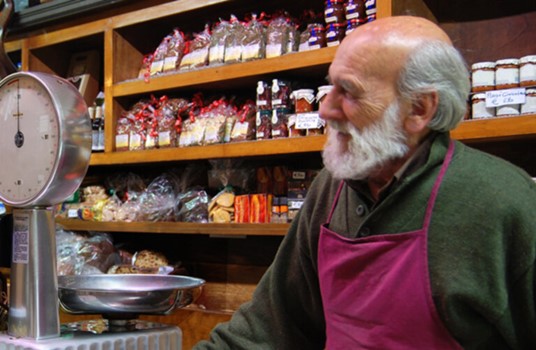
Learn Portugese with our iPod Language guide. Photo credit: Fred_davignon

Learn Portugese with our iPod Language guide. Photo credit: Fred_davignon

Our Portuguese language guide podcast contains a conversational lesson between our nomad Scott & a local, plus enough of the most common travel phrases to help you travel safely.

Download Here

Portuguese Language Guide Script

For those of you keen to have a written version on the podcast, here is the script below:


Scott: Um, com liceca (mispronounced badly) what is the parade for?

Ana: You mean com licenca – for excuse me - It is the Festa de Santo Antonio

Scott: Festival of….?

Ana: St Anthony – he is the Patron Saint of Padua and Portugal

Scott: Wow! It seems like a pretty big deal

Ana: Yes, each June all the local clubs and groups march through the Aveenida da Liberdade with their banners and flags to celebrate - it is a great party!

Scott: I’m Scott, looks like we might be wedged here together for a while – I don’t suppose you could help me with a few Portuguese phrases?

Ana: Sure, I’m Ana – what would you like to know?

Scott: Well, how about we start with the basics – hello – that is ola – right?

Ana: That’s right – ola – and good morning is bom dia

Scott: Bom dia

Ana: Good Afternoon is boa tarde and Good Night is boa noite

Scott: Boa tarde, boa noite. Goodbye is adeus – right

Ana: Yes, that’s right – and you might here ‘ate logo’ – which is ‘see you later’

Scott: Ate logo!

Ana: You know, your accent is pretty good.

Scott: (Smiling) Ah, obrigado… that is thank you isn’t it?

Ana: Very good – you hardly need me at all!

Scott: (laughing) let’s not get too excited! Now back to basics – what is yes & no?

Ana: This is sim and nao

Scott: Sim, nao. Please is per favor?

Ana: Sim! Portuguese people are very formal and polite, so make sure you use ‘per favor’ whenever you can.

Scott: ok, that is good to know. What about “I don’t understand”

Ana: This is nao compreendo

Scott: Nao compreendo. Now, I know we’ve already introduced ourselves, but how do I ask a persons name?

Ana: You say Como se chama?

Scott: Como se chama? What about my name is?

Ana: You say “Chamo me Scott”. You should also know that Portuguese people are quite formal and will generally use Senhor or Sehora until a person invites them to be informal, for instance my name is Ana Almeida so you should call me Senhora Almeida until I invite you to call me Ana – which of course you can use!

Scott: Ok, that is good to know. Chamo me Scott. Those flags and costumes are incredible – look at that one!

Ana: They are amazing, yes – but Scott, you should not point with your finger – it is considered rude. Also, if you want to beckon someone do it this way – with your palm facing down and your hand and fingers waving.

Scott: (laughing) Ok –but it’s kinda hard not to point at a parade though!

Ana: (Smiling) Try using your thumb!

Scott: (smiling) Ah, of course! How do I say ‘how much is it?’

Ana: Quanto custa?

Scott: Quanto custa? What about ‘too expensive’

Ana: E caro

Scott: E caro. What about ‘where is’ and ‘which way to’

Ana: You say ‘Onde é’ or ‘onde está’ and ‘Qual é o caminho para’

Scott: ‘Onde é’ or ‘onde está’ and ‘qual é o caminho para’. I know a little French and Spanish and I’m finding that the written form of Portuguese is similar.

Ana: Yes, the written forms are not dissimilar but the spoken are quite different.

Scott: Ok, well I know how to say this in Spanish and French – so how do I say ‘have you a room’ and ‘may I see it’ in Portuguese?

Ana: you say ‘tem algum quarto’ and ‘posso ver?’

Scott: ‘tem algum quarto’ and ‘posso ver?’ What about some transport – how do I say bus, train, boat and taxi?

Ana: Bus is autocarro, train is comboio

Scott: autocarro and comboio

Ana Boat is barco and taxi is taxi also ticket is bilhete

Scott: barco, taxi and bilhete

Ana: Very good!

Scott: Obrigado Senhora Almeida! Hey, what is that girl selling – they smell amazing!

Ana: ah, they are pasteis da nata which are very small, rich custard tarts – a Portuguese delicacy!

Scott: Portuguese Tarts… the real deal…fantastic… I’ll get a few for us!! How do I say four?

Ana: Quatro!

Scott: Quatro per favor! Obrigado. Here you go, two for you…

Ana: You mean dois

Scott: Dois, ok.. how do I count to ten?

Ana: um dois tres quatro cinco seis sete oito nove dez

Scott: oh, hang on… slow down… how do I say ‘please say that slowly’

Scott: You say ‘por favor diga isso devagar’. Now, numbers are - um dois tres quatro

Scott: Um dois tres quatro

Ana: cinco seis sete

Scott: cinco seis sete

Ana: oito nove dez

Scott: oito nove dez

Ana: Very good!

Scott: Ana, you have been very patient with me – can I trouble you for just a few more phrases?

Ana: I’m enjoying the parade, the pasteis and the company so you may indeed trouble me for a few more!

Scott: Ok, how do I say police, hospital and doctor

Ana: Hopefully you will not need to use these but police is polícia

Scott: polícia

Ana: Hospital is hospital and doctor is médico

Scott: hospital and médico. Now, finally can you tell me how to say ‘I like this’ as in “I like this pasteis!”

Ana: You say ‘eu gosto disto’

Scott eu gosto disto and what about ‘I don’t like this’

Ana: this is ‘eu não gosto disto’.

Scott: Ana, you have been very kind, thank you so much for your help – how about I get us a few more of those pasteis!

Ana: Obrigado Scott!


Photo Credit: Fred_Davignon

Download here

Terms & Conditions,
World Nomads Language Guide Podcasts are free to download and may be used as free content on other websites so long as no part of the podcast is changed, altered or added to in any way. World Nomads Language Guide Podcasts may not be sold by any website or individual. © World Nomads Pty Ltd, 2006-2008.

Tags: language guides, language lesson, portugal, portuguese, learn portuguese, portuguese language, podcast, phrase book


Comments

1

i want to translate following,

Tuh tem algum problema no cerebro (?)

O.õ
Oq ?

  sandeep sawant Jan 11, 2008 7:33 AM

2

literally:
"do u have a problem in your brain?"

is like:
"are you crazy?"

  rolaz Jan 19, 2008 7:49 AM

3

tah ótimo

  bejoy rodrigues Jun 9, 2008 1:54 AM

4

This was very helpful lucky I already new most of these words and being half portuguese helps cuz I have a parent to help me lol

  justin Aug 24, 2008 9:04 AM

Add your comments

In order to avoid spam on these blogs, please enter the code you see in the image.
Comments identified as spam will be deleted.


About language-guides


See all my tags


Subscribe to language-guides's RSS feed.

Where I've been

Favourites

Photo Galleries

Highlights

My trip journals


Travel Insurance. Simple. Flexible.

Travel insurance for adventurous travellers. Buy, extend & claim online even after you've left home.

You can extend your policy while you are away

Sign in to:

  • Collect your policy documents
  • Extend your policy
  • Make a claim
insurers

  Learn the Lingo on your iPod - Our free language guides

Find us on these social networks  Flickr YouTube Facebook Twitter