Travel Safety Hub - WorldNomads.com Travel Advice and Travel Safety. Stay informed on the road.

Weather and Natural Hazards - Venezuela

VENEZUELA | Wednesday, 27 July 2011 | Views [601]

Mother nature unleashes her full arsenal on this nation. Devastating earthquakes, floods, hurricanes, mudslides, and cyclones are a fact of life for Venezuelans. If you’re intending to visit you’d better be prepared, and to help here are a few tips and guides on staying safe.

Shake, Rattle & Roll

The country is earthquake-prone.

A famously devastating quake occurred in 1812 completely destroying the capital Caracas, and killing 20,000 people. It was so powerful it even formed a new lake and dammed a river! 

In 2009 an offshore earthquake measuring 6.4 on the Richter scale struck 65 miles from Caracas, causing a number of injuries and damaging buildings and power lines in the coastal town of Porto Cabellos, and in Caracas.

Earthquakes are impossible to predict, so it pays to be prepared, have a plan in the back of your mind, at all times.

What To Do

  • When the quake strikes get yourself some physical protection from falling debris; get under a sturdy table, or cover yourself in soft furnishings or mattresses, and use your hands to protect your head.
  • When the quake stops, check yourself for injury before assisting others. Leave the building and get away from structures. 
  • There will be aftershocks, and lots of them. 
  • Stay away from fallen powerlines, they may be ‘live’. And don’t use naked flame because gas may be leaking from fractured supply pipes.
  • If communications are working, call the emergency assistance number on your insurance policy. The team will be able to get messages to your family and also alert local authorities and consular officials from your home country.

Rain and Landslides

Venezuela is also subject to torrential rains, which cause landslides.

The country suffered exceptionally heavy rains in late 2010, which have affected wide areas of the country, and road conditions remain poor. The government of Venezuela announced States of Emergency in many states including the capital. You may still encounter damaged infrastructure that affects your travels.

There have been mudslides in many areas of the country, which have particularly affected shantytowns built on hillsides.

They have left many homeless and blocked or damaged roads and highways.

Operations at airports have been disrupted, causing flight delays.

Hurricane Season

And as if that wasn’t enough - hurricanes are also a concern for travellers in Venezuela.

The Atlantic hurricane season runs from 1 June to 30 November, and can affect portions of northern Venezuela.  

The direction and strength of hurricanes can change with little warning.

Information on hurricanes or other severe weather conditions can be obtained from US National Hurricane Center and Tropical Prediction Center or the Humanitarian Early Warning Service.

Flights in and out of affected areas could be delayed or suspended. Available flights may fill quickly. So it’s best to leave as early as possible, delaying that decision may leave you with no options. In some areas, adequate shelter from a severe hurricane may not be available to all who may choose to stay.

What To Do

  • You should familiarize yourself with your hotel or cruise ship evacuation plans.
  • You should carry your travel documents at all times (passport and photo identification) or secure them in a safe, waterproof location. It is also a good idea to update your family at home as to your whereabouts and welfare. 

Storm Surge

And while Venezuela is not prone to tropical cyclones its costal region are occasionally hit with torrential rain, powerful winds, high waves and storm surges.  

Cyclones are not such an issue in Caracas as it is sheltered by the Avila mountain range and the simple meteorological fact that cyclones lose their strength as they move over land.

During the rainy season (which runs from May to November, though heavy rains can occur outside this time) there is the possibility of flooding in certain low-lying areas of the country (e.g. the Llanos) and in some valleys in the Andes (Merida State).  

Water Aware

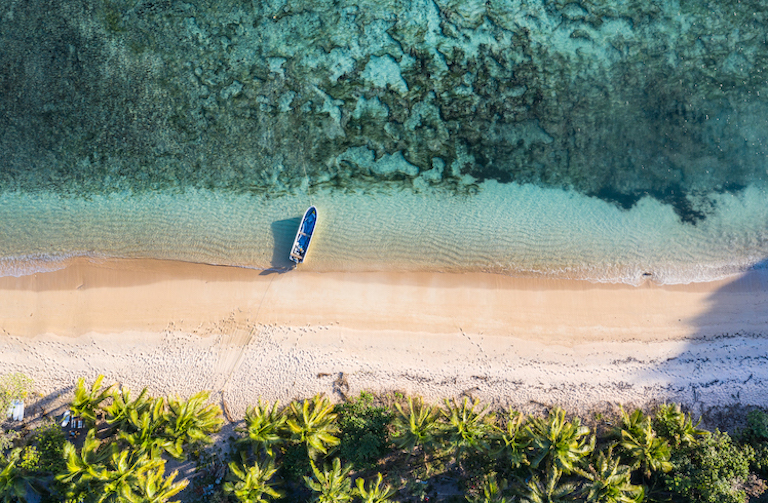
As a final note visitors should be aware that the waters of the Caribbean can be deceptive.

It may look like a tropical paradise – but there are strong currents and undertows in some areas that can make swimming hazardous.

Lifeguards and warnings are not always present.

Related Articles

Weather and natural hazards in Venezuela

Travel in Venezuela

Local laws & customs

Venezuela water and disease guide

Crime in Venezuela

Turbulent, troubled Venezuela

About WorldNomads

WorldNomads.com keeps you travelling safely.  Whether you’re off for a long weekend, looking for the ultimate adventure or living the nomadic dream, you’ll stay safe with Travel Insurance you can buy online, anytime, and the latest travel safety advice. Learn how to flirt in over 25 languages with our free language guides and have an experience of a lifetime on a travel scholarship. We'll also help you share your journey with a free travel blog, get answers from other nomads to all of your travel questions (try the new 'Ask A Nomad' iPad app and donate to a local community development project through our Footprints program.  
WorldNomads.com  - an essential part of every adventurous traveller's journey.

Tags: south america, travel-safety-tips, venezuela, weather

Add your comments

(If you have a travel question, get your Answers here)

In order to avoid spam on these blogs, please enter the code you see in the image. Comments identified as spam will be deleted.


About safetyhub

You've got the whole world in your hands.  Put your common sense hat on and get out there!

Follow Me

Where I've been

Favourites

Photo Galleries

Highlights

Near Misses

My trip journals


See all my tags 


Travel Answers about Venezuela

Do you have a travel question? Ask other World Nomads.