Okay “land of extremes” is a travel cliché,
but really how else do you describe a country where the temperatures can reach
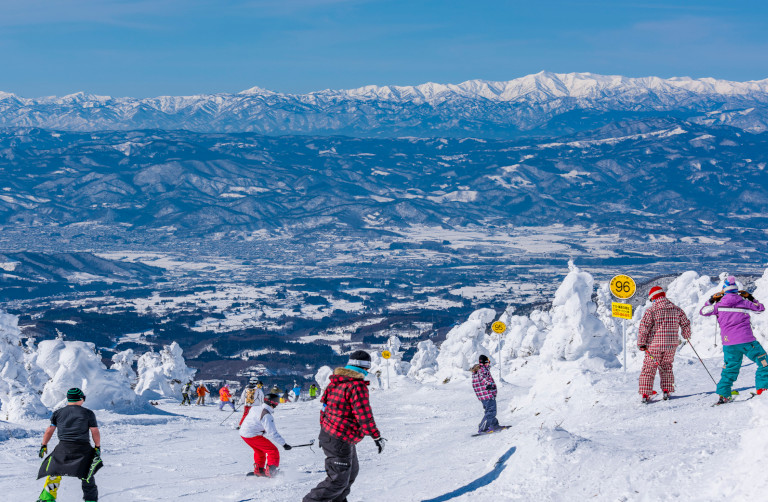
50 Celsius (122 F) in summer, but in winter you can go skiing in deep powder on
the outskirts of the capital?
It’s a big place. A large mountain range
stretches down the western side (the one behind Tehran in the video - and thanks to schnobe at barretoi.com for letting us use it). The
mountains are so high they stop rain reaching the east, where there are, not
one, but two deserts. Then there’s the Persian Gulf coast where the water’s
warm enough to poach fish. But the north along the Caspian Sea is covered in
dense rainforest!
Temperatures at different ends of the
country on the same day can be crazily different, -5 C (23 F) in Tabriz but 35
C (95 F) in Bandar Abbas.People who are unaccustomed to extreme heat
(and some who are) should avoid the Persian Gulf region of Iran in summer –
it’s blisteringly hot. Know where you’re going and make sure you
have the right clothes and equipment for the time of year.
Other Health Tips
Drinking Water
The Iranian government has put considerable
effort into providing safe drinking water to its people. Apart from the Caspian
Sea region where the annual rainfall is 1200mm a year, most of the country gets
less than 100mm, so getting plenty of safe drinking water to 98% of the urban population
is a great achievement. But as is often the case, visitors may find
the tap water tastes “funny” and causes traveller’s diarrhoea, so stick with
bottled water or boil and filter the tap water.
Outside of the major urban centres the
water quality is poorer. There are half a million wells in Iran. Much of the
annual rainfall comes in a big burst, which also washes pollutants into the
system (some towns still have open drains to take sewage).
Shake, Rattle & Roll
Iran is one of the most earthquake=prone
countries in the world because it sits across several major fault lines.
There’s a tremor of some varying degree daily. Most you won’t even notice…. The
big ones can be bad.

The last major quake was a M5.9 near
Damghan – 350 kilometres (220 miles) east of Tehran - which killed 19 people.
If there is a quake, The greatest danger to
you is falling debris, so drop to
the floor and cover your head and neck. Take shelter under a desk, a sturdy
piece of furniture or in a doorway.
In the Bam earthquake of 2003, one of the
biggest causes of death was suffocation from dust caused when mud brick
buildings collapsed. If you’re sheltering under a desk, try to rab other sturdy
objects which can bolster your position and keep debris from overwhelming you.
If you’re outdoors move away from
structures. Watch out for fallen power lines. Don’t shelter on or under a
bridge.
Planes, Trains, & Automobiles
Because of its running diplomatic battles
with the U.S. there are bans and sanctions which mean American technology is in short supply in Iran (Visa, Amex and other ATM cards simply don't work!). They make do with what they have, like
the 1970’s French ski lift equipment which is in great working order, and technology
from sympathetic countries.
But this means the domestic airline fleet
is made up of ageing and/or Russian (aircraft, most of which had questionable
safety records when they were brand new!)
Iranians will tell you to take the bus, or
train. Rail services are
particularly comfortable with sleeper cars and cheap, tasty food.
This warning about air travel is from the
UK foreign office advice on Iran:
“The state
carrier, Iran Air, has been refused permission to operate services to the EU
with the exception of 14 aircraft of type A300, eight aircraft of type A310 and
one aircraft of type B737.
This
restriction has been put in place because Iran Air has been unable to
demonstrate that a number of aircraft in its fleet (including those of type
A320, Boeing 727, B747-100, B747-200 and B747-SP) meet international safety
standards.
You should be aware
that many of the planes flown on domestic routes in Iran are ageing. There
have been a number of accidents in recent years.
On 24 January 2010, a
Taban Airlines Tupolov plane flying from Esfhan to Mashad damaged its tail
while landing and caught fire. 42 of the 157 passengers on board were
injured.
On 24 July 2009, an
Aria Airlines Ilyushin plane flying from Tehran to Mashhad skidded off the
runway whilst landing and hit a wall. 16 of the 153 passengers and crew on
board were killed.
On 15 July 2009, a
Caspian Airlines plane crashed 75 miles northwest of Tehran shortly after
takeoff from Imam Khomeini Airport. All 168 passengers and crew onboard
were killed. The cause of the crash has not yet been revealed.”
Iran also has its own car-making industry, the
largest in the Middle East, the 12th largest in the world. Car
registrations are booming, getting close to 2-million new cars on the road
every year. The 5 manufacturers make their own brands,
and foreign brands under license (Mercedes, Peugeot Citroën etc). The most popular makes are Khodro and
Saipa.
I’m telling you this so you know what it
was that hit you! Iran has an appalling road safety record. The annual road toll
is more than 25,000 a year!
It’s not just driving – crossing the road,
especially in Tehran, is terrifying! Unlike Vietnam where the trick is to walk
purposefully and let the traffic run around you. An Iranian we contacted while
preparing this article says –
“just run!”
About WorldNomads.com
WorldNomads.com keeps our members travelling safely by offering a range of travel services such as Travel Insurance to residents from over 140 countries, the latest travel safety advice, free travel blogs and language guides for your iPhone/ Ipods.
We also offer a range of exciting travel scholarships.
Keep up to date with travel safety news and alerts from WorldNomads.com and follow TravelSafety on Twitter.
Whether you’re heading off for a long weekend, seeking the ultimate adventure or travelling around the world, we’re there with you, helping to keep you safe, covered and getting the most from your travel experience.